

“That’s your opinion” is more commonly used as a rhetorical weapon for cognitive surrender. “That’s your opinion” is perfectly fine in a discussion on the merits of chocolate versus vanilla ice cream — it is subjective. Of course, rhetoric has been used throughout history as a form of dismissal to invalidate presented evidence. Is it more dangerous now, or have we as a society always been somewhat bereft of critical thought?
The phrase I hear often is, “That’s what the [insert political party] want you to believe,” offered as a conclusion when someone is presented with evidence contrary to their beliefs — which can be, and often is, true. Does the situation seem more dire? Are commonly held beliefs masquerading as facts?
Just because something is repeated often, does that make it true? Even if a large portion of a population believes something, does that make it true? Is there a reluctance to say no? Is there a hesitation to oppose?

The rhetorical example goes: “If you place a frog in boiling water, it will notice immediately and jump out. However, if you put a frog in tepid water and slowly heat it, the frog will not notice.” Well, it’s not really true — frogs are cold-blooded animals, and they will notice. Some have argued, “So what? It is a figure of speech that illustrates how small, incremental changes can precede total disaster.” But why can’t we just say that plainly? If you own a house and neglect it, the small incremental repairs that go unaddressed will eventually leave it uninhabitable. The changes are so gradual from day to day that you may not notice — unless you have a trusted source who sees the warning signs, alerts you, and you take action.
That analogy doesn’t have the same impact, does it? You’d like to think you know enough to avoid ending up in an uninhabitable house. That kind of situation is more likely the result of an event — a fire, a flood, or an accident at a time when funds for repair are unavailable. You think you know better. The frog analogy is easy, comfortable, and rhetorically effective. As Neil deGrasse Tyson said, “One of the greatest challenges is knowing enough about a subject to think you are right, but not enough to know you are wrong.”
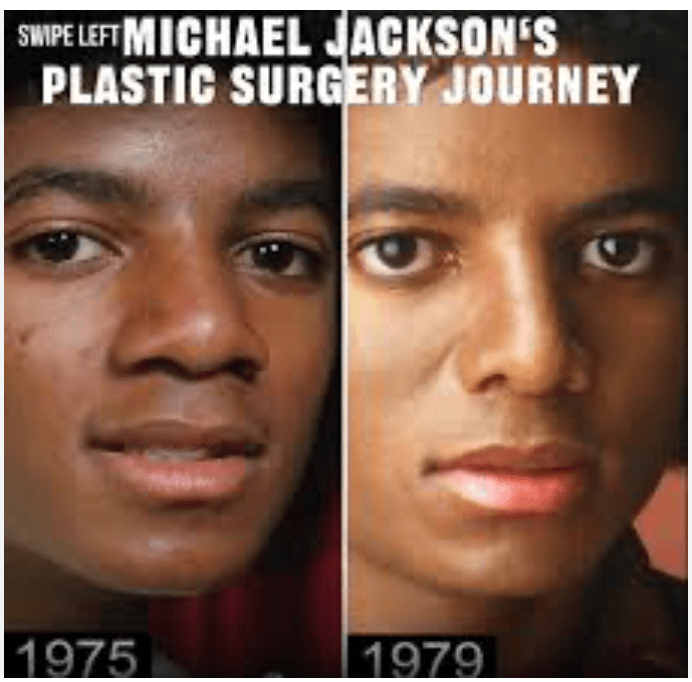
There is also the matter of opinion, belief and fact. On a micro level, consider Michael Jackson. In an interview, Michael described how his father, Joe Jackson, called him ugly and said he had a big nose. As a sensitive child, Michael would cry and avoid looking at himself in the mirror. That was Joe’s opinion — but voiced so repeatedly, it became a belief for Michael, setting off a host of issues around self-image and mental health. Michael began having plastic surgery to reduce the size of his nose, which continued to the point where his cartilage was severely damaged, leaving his nose structurally unstable. The progression from opinion to belief to physical consequence illustrates the real power of repeated messaging on an opinion.
When people form beliefs from opinions without question or consideration of evidence, the effect compounds. To a degree, you will listen to a trusted source — but when you hear something over and over, you begin to question your own perception. This, again, leads either to the conclusion “That’s what the [insert political party] want you to believe,” or to total resignation: “I don’t know what to believe anymore.”
Perhaps this is the digital age of yellow journalism. In the late 1890s, it was Pulitzer versus Hearst — the New York World versus the New York Journal — locked in a circulation battle. To win readers, each publication escalated toward more exaggerated headlines, unverified claims, and overt political agendas. Today, it is content creators competing for clicks and views. The new confusion lies in conflating content creation with journalism. Journalism is the practice of gathering, assessing, creating, and presenting news and information to the public. Content creation can be journalism, sensationalism, or entertainment.
Opinions, beliefs and facts. This post, my opinion, absolutely. It took some work, I had a hypothesis, read a few things, remembered history, and wrote. This week in your day to day, notice your conversations, how you get information that shapes your views. Have you fallen prey to rhetorical weapons of cognitive surrender?
 Balancing on Unstable Surfaces
I didn’t get the covid vaccine for various reasons and I presented my evidence to people if pressed. But no matter how much evidence I presented, it always came down to vaccines are good. Almost like religion. To me it was like saying all cars are good, which is not true, who is driving a Yugo? What people mean is cars have a valuable purpose. Vaccines similarly have a valuable purpose but the MNRA vaccines were questionable and as it turned out, not effective and potentially dangerous based on publicly shared data. In my observation, we are not generally a society that values or encourages critical thinking.
LikeLike