

Has “equal” ever truly meant equal in the U.S., or have we always been under the cognitive surrender of flawed logic? Famously, the Declaration of Independence states, “all men are created equal.” Later, segregation promoted a “separate but equal” theme. In both cases, “equal” wasn’t actually equal; it was clever marketing used to impose a specific status quo.
For me, the Declaration of Independence is a brilliant document, and the U.S. Constitution is a genius framework. While they were not implemented as perhaps designed or intended, the foundation is there.
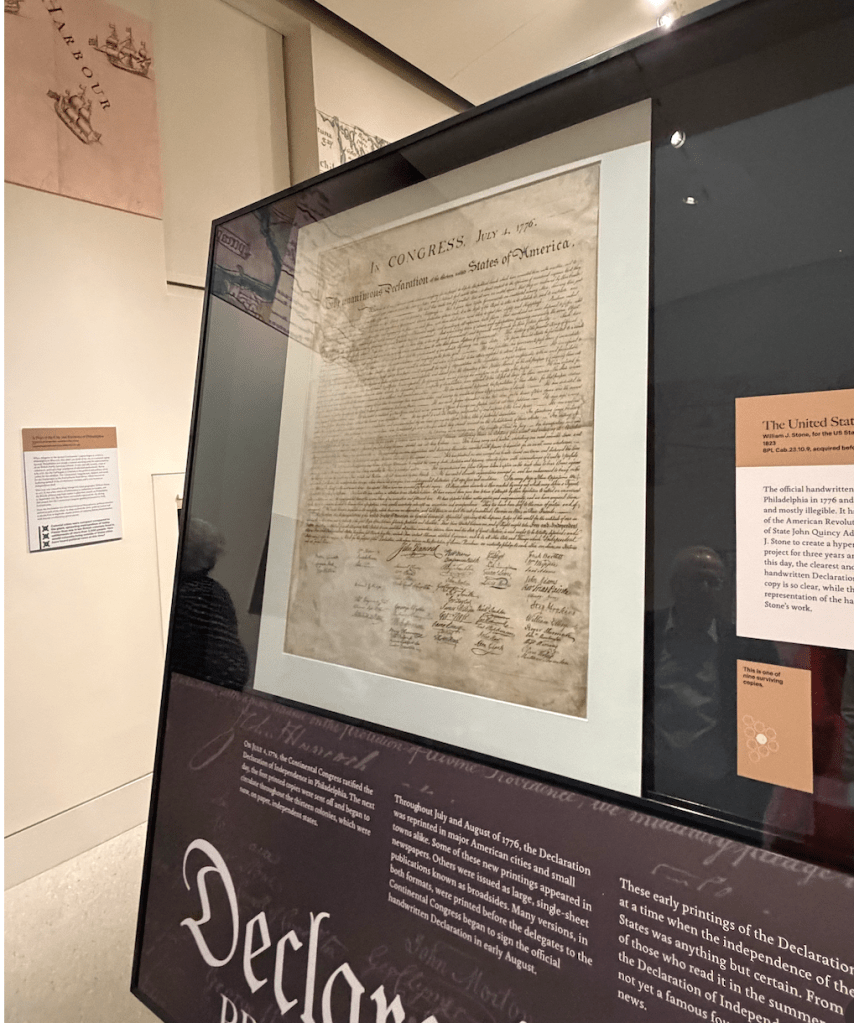
A new exhibit of the original copies of the Declaration of Independence at the Boston Public Library asks us to imagine what people felt at the time: the loyalist who aimed to remain part of the British Empire, the patriot who wanted freedom from Britain, and the oft-excluded group, the enslaved who felt this bold declaration meant their freedom.
It is a great exercise. In a time with no internet, television, or telegrams, how did word-of-mouth, newspapers, and letters convey this sense of revolution? Did the loyalists brush it off as heresy? Did the patriots go looking for a fight? Did the enslaved see the end in sight? What is it about the word “equal”?
It was the big promise of the US (…all men are created equal…) , yet only the white men the owned land could vote once independence was gained. It would be more than a century before women gained the right to vote. The marketing concept of equal show up again.
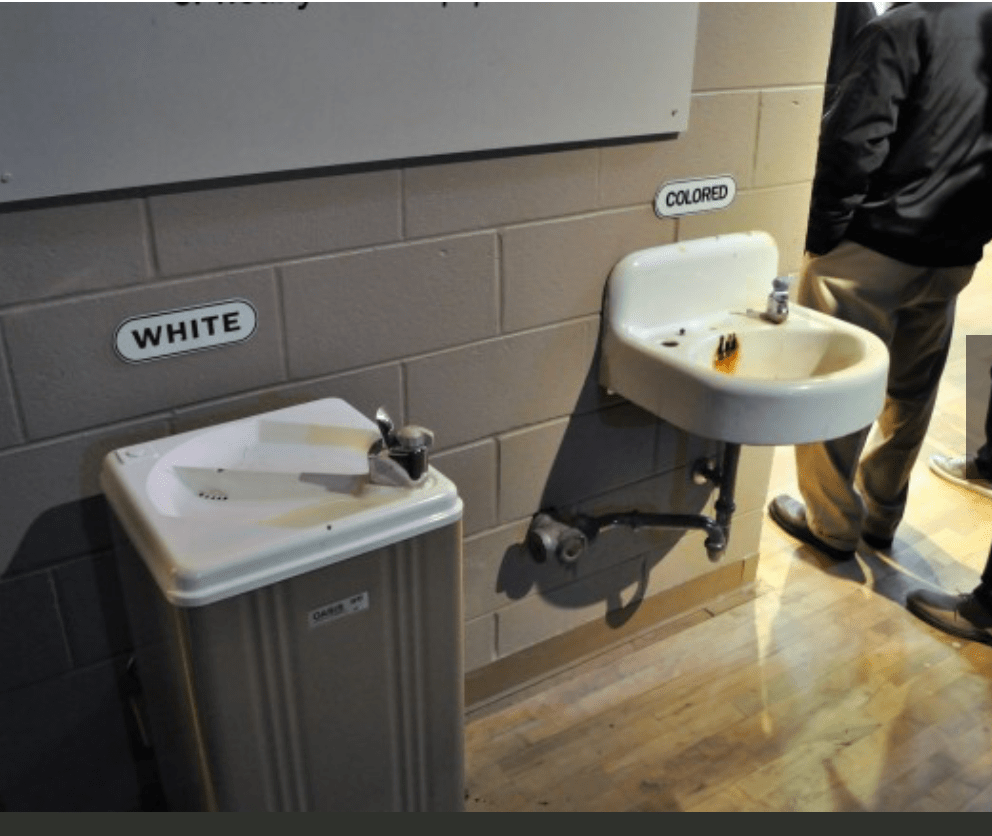
The “separate but equal” concept arose in the US Supreme Court ruling for Plessy v. Ferguson when Homer Plessy, a Black man, was arrested for sitting in a “white only” train car in Louisiana.May 18, 1896. The court essentially constitutionalized segregation and the ability of laws to mandate separate facilities. To be clear, those facilities were not equal, but the catch phrase sounded amenable.
While I want to say the US has a complicated history with equal, the more accurate statement is duplicitous. Like our founding documents, the structure is brilliant, the intent and execution, maybe not so much.
How are are current systems influenced by these concepts? Representation int he House of Representatives is determined by population. In 1787, Negros were deemed to have 3/5ths personhood so south to have more representation in congress. So much for equal until the 14th ammendment 99 years later. But wait, there is more.
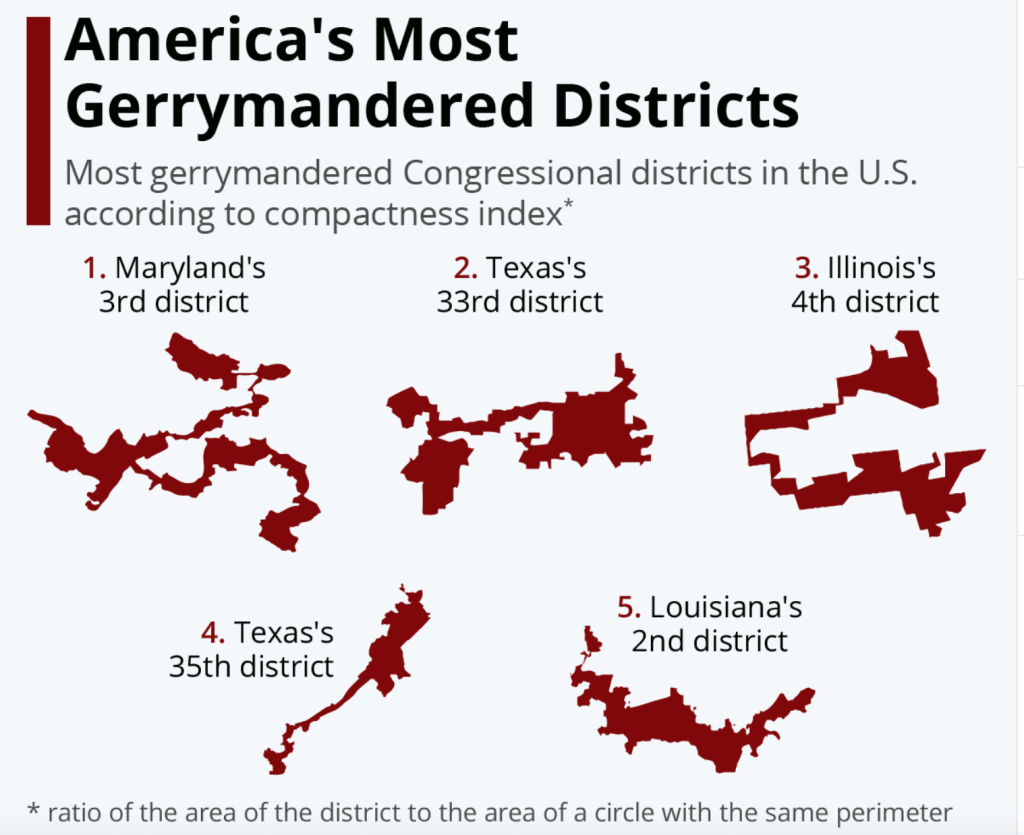
Attempts to gain political advantage through gerrymandering continue today, leaving me out of words. There is no sense of equality in these maps, and politicians are now admitting to drawing them specifically to open up seats.
This week, Alabama House Speaker Nathaniel Ledbetter said, ‘All we need now is for the courts to overturn 14 and we can look at a new election.’ He actually said it—he wants the Supreme Court to overturn the 14th Amendment1. This is deeply problematic on many levels, starting with basic ignorance: the Supreme Court cannot overturn a Constitutional Amendment.” Alabama Republicans Spark FIRESTORM Over 14th Amendment Comments
We have a duplicitous relationship to equality. Today’s struggle is for the math to keep matching; for equal to be the reality. When it’s not, we can offer the insight for correction: because right now, all things are not being equal.
1Key Provisions of the 14th Amendment
- Citizenship Rights: The amendment grants citizenship to anyone born or naturalized in the U.S., overturning the Dred Scott decision and ensuring citizenship for formerly enslaved people.
- Due Process Clause: Prohibits state governments from depriving any person of “life, liberty, or property, without due process of law”.
- Equal Protection Clause: Ensures that no state can deny any person within its jurisdiction “the equal protection of the laws,” which has been crucial in anti-discrimination cases.
- Privileges or Immunities Clause: Prevents states from making laws that abridge the rights of U.S. citizens.
- Incorporation Doctrine: Through the due process clause, most protections in the Bill of Rights are applied to state governments, not just federal.
- Removal of 3/5ths Clause: Section 2 updated representation laws, ensuring all people are counted equally, rather than the previous 3/5ths formula.
- Ending War Debt/Slavery Compensation: Declared that debts for the rebellion or claims for the loss of slaves were illegal and void.
- Insurrection Clause: Prevents anyone who has engaged in insurrection or rebellion against the U.S. from holding state or federal office, unless authorized by Congress.
- Enforcement Power: Section 5 grants Congress the power to enforce these provisions through “appropriate legislation”.
This amendment is often considered one of the most significant in the U.S. Constitution regarding the expansion of civil rights and liberties.


100%, duplicitous, stunning and frightening
LikeLike