

I used ChatGPT to <fill in the blank> it did a pretty good job. Currently, the virtues of AI is everywhere. AI is used to write a song in the style of an artist, AI is used to develop a resume, AI is used to design a logo. Comments on the results are it was decent, a good start, not bad. I don’t know if I am having a moment or a revelation. Are we now praising mediocracy? Is AI a rush to an intellectual buffet? Nothing to specialized, maybe a few themes, but really focused on the target audience of “general.” Does this work?
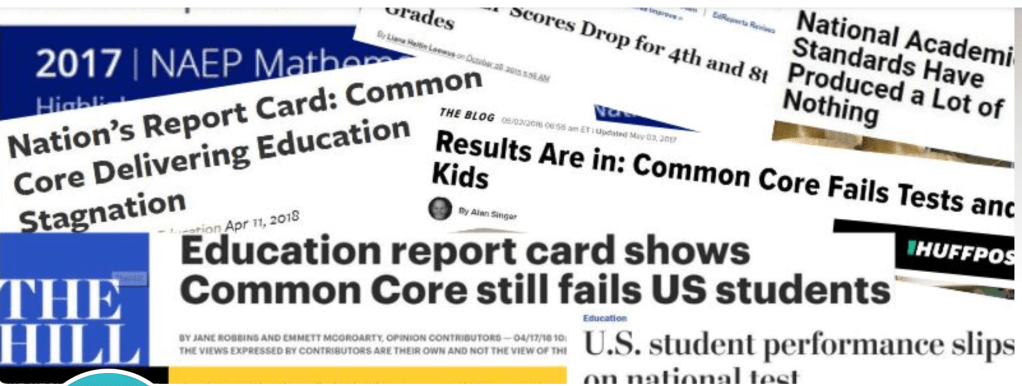
Look at the common core curriculum that was rolled out 2010 to ensure consistency in education. Forty one states signed on and nada. It has not been successful. Sure, sounds goo din theory but, the results are flat. Various sources has said this is because of uneven implementation, others due to to false equivalency in setting the standards, there re scholarly articles written not he subject in detail. Are there lessons to be learned here with AI? How do you know if an implementation has been successful? Who gets to decide? How can changes be deployed versus excuses made?
In technology, there are things that can be “good enough” and things that need to be precise. At an ATM, if you request $40, you want $40 and that’s the amount that needs to come out of your account. Not something that is close, pretty good or halfway decent. For AI, what needs to be precise and what can be close? This is where the debate starts. Facial recognition. Exact or close enough? As a black woman, I know I am in one of the worse groups for facial recognition. So, then the discussion becomes, well AI for facial recognition is ok in some instances? Who gets to decide?
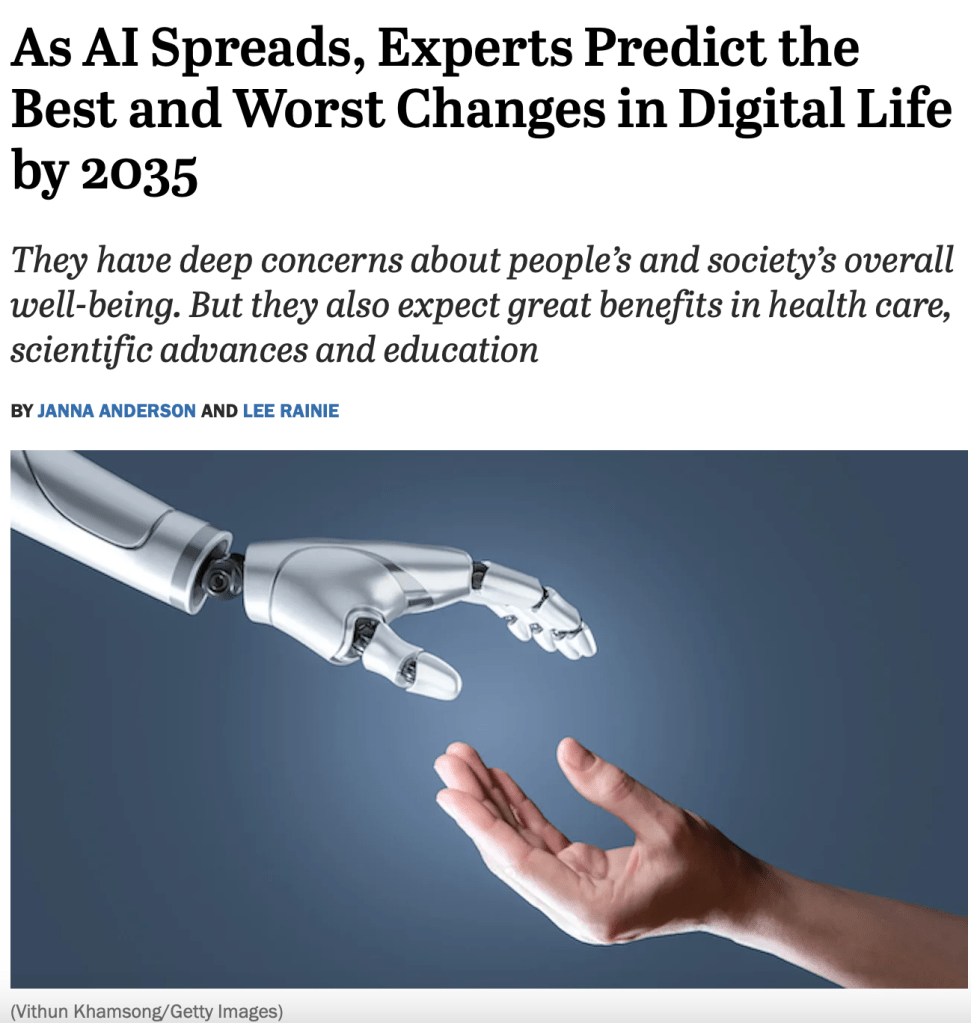
This is why experts are weighing in, they’ve seen this before. While it may seem like philosophical questions, they soon become ethical dilemmas. Social media, who is responsible for truth in content? Automated cars, who is liable in the event of an accident. So let’s try out this thought. AI for decision making. With good models, as we know medicine has inherent bias, however, with all information available, the potential for medical diagnosis is astounding. What about law. This is where it gets interesting. Attorneys look for rulings that have established precedent. The ramifications go well beyond a Lexis search. But then there is still a judge and jury. Yes, take a minute to think about how this has the potential for transformation. The thing is, who gets to decide.
The probability of someone, let a alone an entire group of people coming to a consensus to eliminate their primary livelihood is not good. Yet, let’s face it, we’re going to rely on legal rulings on the role of AI. So, we’re then onto lawmakers. We see data on how lawmakers are in contrast to what the population wants. The remedy for this is currently, vote them out the next election. Will this method of indirect accountability continue to work? Who can we trust to make the decision or is this operating as designed?

Consider that clever marketing had people buying pet rocks in the 70’s, beanie babies in the 90s and fidget spinners in the 2020s. AI can tailor marketing.campaigns around a particular group. You think you get spam now, imagine the next. Here is where “pretty good” and “decent” might have an impact. Is your head starting to explode, your flesh trying to crawl yet? Of course not, I’m writing the old fashioned way and not using AI to suggest words or rewrite content to induce a particular thought.
This week, as you go about your day, consider what parts are already impacted by AI and what the future implications are. And maybe, just maybe, instead of saying AI was pretty good in an off handed remark, start to engage in a real conversation before AI takes over.
 Balancing on Unstable Surfaces