
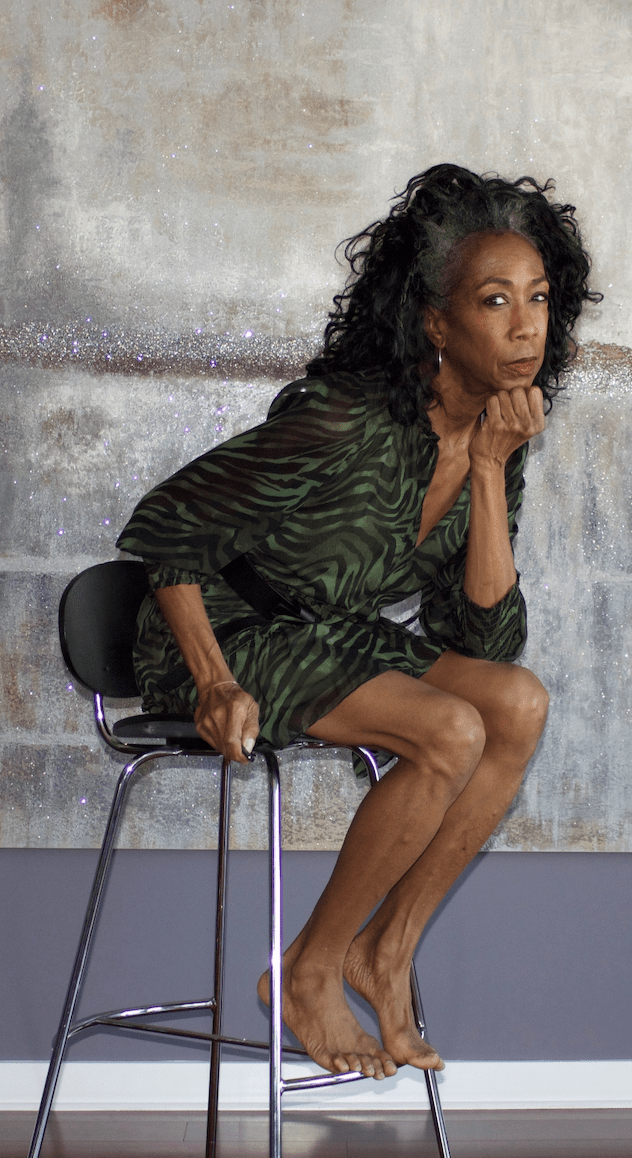
Last August, I started my family tree and, for some reason, stopped. Well, almost a year later, I started again and finished — sorta. I was able to run through both sides of the family in three hours. A few things still need tweaking, but overall, it is a fascinating picture: names passed down, relatives honored, a family centered primarily in one geographic location, and some non-anomalous anomalies.
A large majority of African Americans in the United States have between 18% and 24% European ancestry. This confirms the “rape cabins” — the exploitation of enslaved women through sexual violence.0 I fall on the high end of that range, with 27% European DNA.
That is just the beginning. As I began building the family tree, records showed race as “Mulatto” through both my parental lineages. “Mulatto” in census records in the 1800s denoted a person of African and European ancestry. Yes, while the DNA indicates the pattern, the records confirm it: my female ancestors were subjected to sexual violence in the rape cabins. Property — the enslaved were property. I was able to trace a relative on both parental lineages to probate records showing plantation owners inheriting the enslaved.
President Donald Trump issued an executive order in March 2025, titled “Restoring Truth and Sanity to American History,” which directed the Interior Department to remove interpretive exhibits, signs, and monuments at federal sites that “inappropriately disparage Americans” or cast the United States’ founding principles and history in a negative light.
This directive resulted in the removal of panels and memorials detailing slavery—such as the slavery exhibits at the President’s House in Philadelphia and plaques at the Bunker Hill Monument. The implementation of this order sparked legal challenges, with federal courts subsequently issuing injunctions to force the Trump administration to restore the historical materials.
America 250 works for all of America. Freedom 250, not so much. As an African American, I find Freedom 250 offensive. It is a celebration that excludes me. We’ve had 160 years of technical freedom, but 250 years? No. America’s history is like any other history — it isn’t pretty. We could have done without a few episodes, but until we learn from them, we’re bound to repeat them. It feels comfortable to lean on the crutch of time, to say “that was a long time ago.” But how long ago, really?
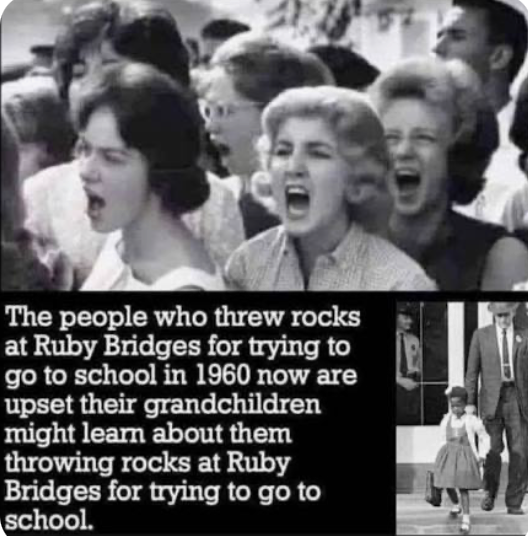
The quote that best captures this experience — for events that have occurred in my own lifetime, from Ruby Bridges integrating schools in 1960 to the enthusiastic embrace of Trump’s executive order, ironically titled “Restoring Truth and Sanity to American History” — is this: “The people who threw rocks at Ruby Bridges for trying to go to school are now upset their grandchildren might learn about them throwing rocks at Ruby Bridges for trying to go to school.”
0Missouri v. Celia, a Slave: She killed the white master raping her, then claimed self-defense
1America 250: Officially known as the U.S. Semiquincentennial Commission, it was created by Congress in 2016 (under President Obama) as a bipartisan initiative to plan year-long, educational and historical events across the country.
2Freedom 250: Created by an executive order from President Trump to plan executive-branch-led celebrations. Watchdogs and lawmakers have raised concerns that this task force and its associated events are heavily political and lack the standard congressional oversight required of official commissions.


That last part. If things were never that bad then they wouldn’t have to hide it.
LikeLiked by 1 person