

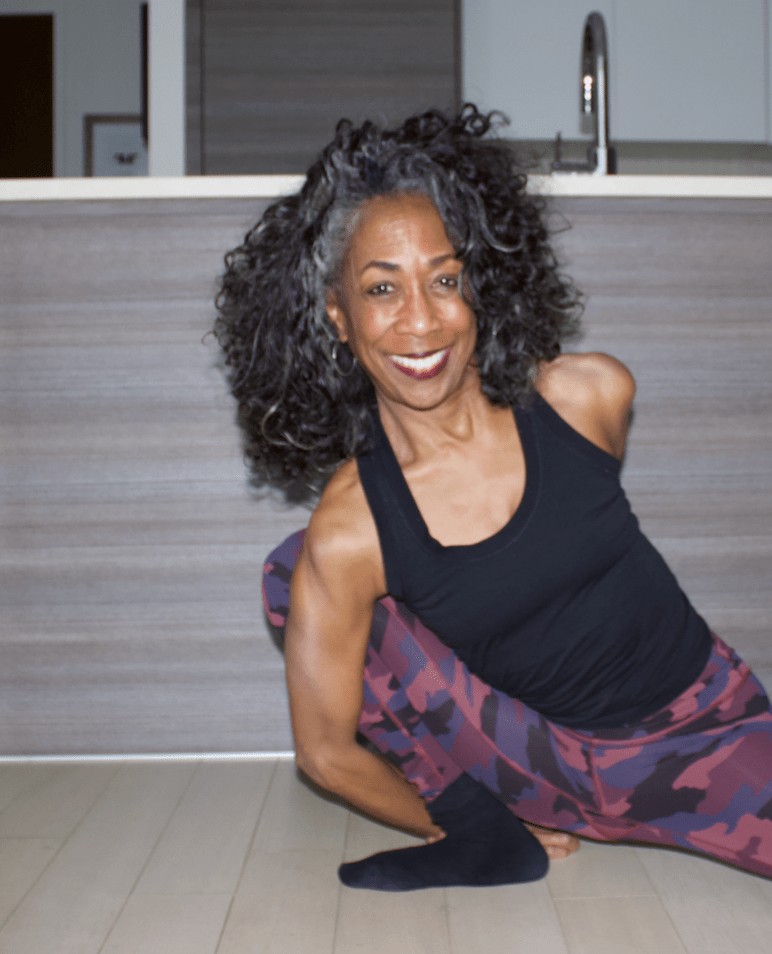
I have Ehlers-Danlos and still struggle to explain what it actually looks like day to day. So a few weeks ago, I accidentally found a way to show it.
In the middle of a yoga pose, I momentarily dislocated my shoulder.
It felt like the perfect example—one small, visible piece of a much bigger reality: joints that don’t stay where they’re supposed to. A body that doesn’t follow the rules people assume it does. As I captioned the post, Instagram had other ideas.
Five tags. That was the limit. No nuance, no long list of identifiers—just five. Forced simplicity, and honestly, it annoyed me. Fine! I adapted. I chose carefully—prioritizing what mattered instead of listing everything: pose names in English and Sanskrit, identity markers, all of it. Just the essentials.
And then something surprising happened. The algorithm worked.
Within days, my feed started filling with people who also have Ehlers-Danlos, and some were in healthcare. I knew that sometimes my mind works a little differently; I didn’t realize my body works almost completely differently.
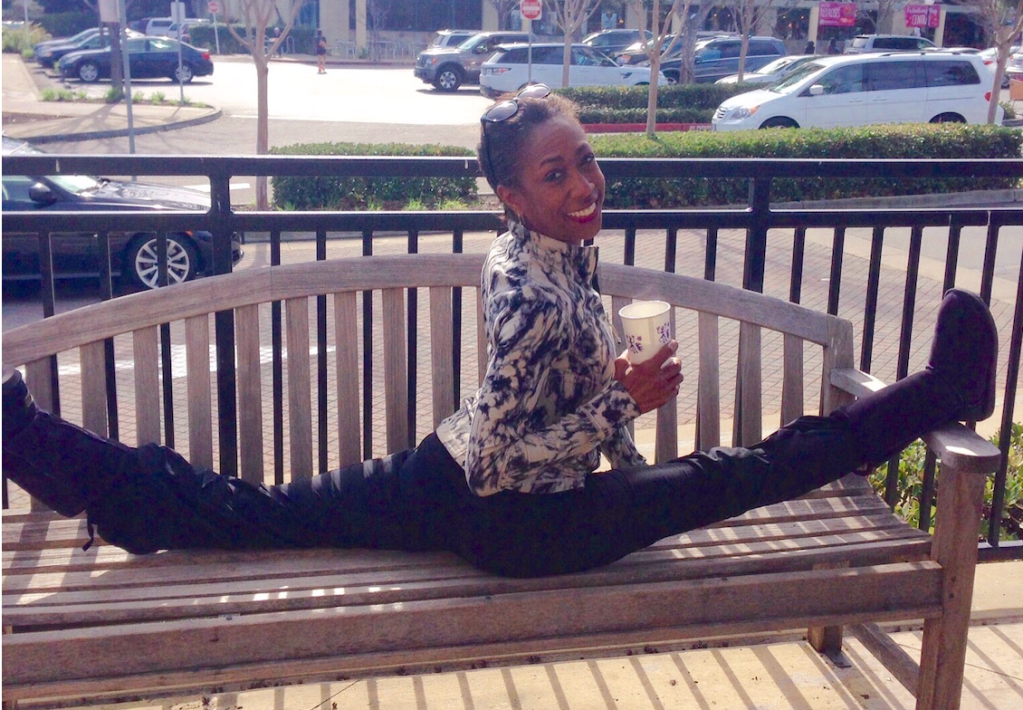
I don’t think of Ehlers-Danlos as a disorder so much as a feature—like height or bone structure. Just a variation. But when everything around you is built for a different “default,” that difference becomes impossible to ignore. Instead, I kept getting guidance on what I needed to work on and fix.
Starting in my late 20s, I literally had to slowly roll out of bed. That shouldn’t happen, right? “You need a new mattress.” “Try a body pillow.” “Sleep on your back.”
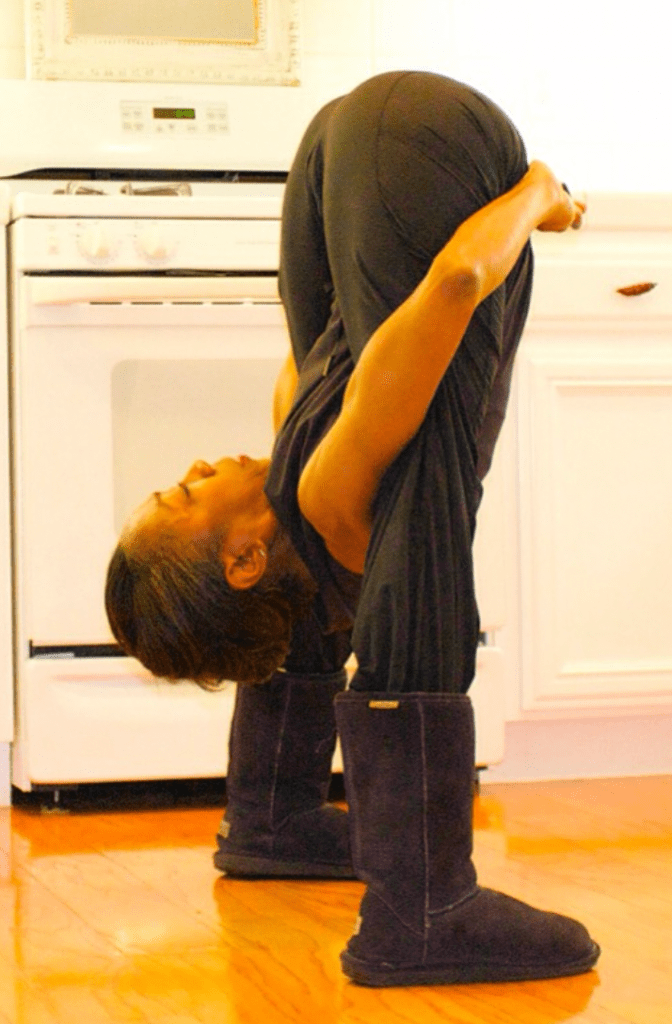
I can’t stand up straight without shifting from one leg to the other, and if I can squat down and sit on the floor, I need to lean against something.
As a child, it was “stop fidgeting.” As an adult, it became “maybe you’re iron deficient.” The ringing in my ears—no one can explain it. And the severe nausea I get if I drop my head back? Apparently, for most people, the back of the head actually comes into contact with the neck when they tilt their head back.
There’s a long list.But here’s the thing—I’ve tagged a couple of posts with Ehlers-Danlos over the past 10 years. I mean, really, that’s how I got diagnosed. Someone commented, and I went and got a medical diagnosis.
What happened that my feed now reflects my reality? It was the 5 tags.
Instagram officially capped hashtags at five per post/reel in December 2025 to combat spam, reduce “engagement hacking,” and force creators to focus on quality over quantity.
- Shifting to Search and AI: Instagram is moving away from hashtag-based discovery toward AI-driven recommendations, relying more on keywords, topics, and overall content engagement.
- Encouraging Better Content: The change encourages creators to make posts that stand on their own without relying on a large block of hashtags.
What this means for users:
Instead of using 30, users are urged to use a few specific, highly relevant tags per post, or even none. While some, particularly smaller accounts, believe this hurts visibility, the official stance is that targeted, few tags improve user experience.
I have to admit, it worked. My feed is more relevant. This week, a LinkedIn connection shared a post about AI & Healthcare. I met X at a conference in 2026, and what they’re doing now is incredible.The idea is simple: there aren’t enough doctors. AI can take on part of the workload so doctors can actually focus on being doctors. AI & Healthcare yields Better targeting. Better matching. Better outcomes.
Which brings me back to Instagram. Did they limit tags to improve the user experience? Not exactly. They did it because better targeting drives revenue—more precise ads, stronger engagement, higher returns. That’s the business model. But here’s the part we don’t always promote a lot; it can serve both sides.
Like a grocery store—we get food and convenience; they get profit. The exchange isn’t altruistic, but it’s still valuable. Yes, there are ethical questions. There always are. However, just because someone makes a profit and improves a process doesn’t mean it’s not useful.
I have such peace of mind now. Diagnosing Ehlers-Danlos takes an average of around 15 years. I don’t think that, if I hadn’t gotten that comment on Instagram, I would have enrolled in an expert diagnosis program to begin with.Only 4% of doctors in the U.S. are comfortable diagnosing Ehlers-Danlos. Five years ago, I learned who my people are. With the five tags, I’ve found them.
Note: Not all AI is good. Here is a dark side example. https://www.instagram.com/reel/DP9PkZODVxk/?utm_source=ig_web_copy_link&igsh=MzRlODBiNWFlZA==
 Balancing on Unstable Surfaces